No physical barriers absolutely prevent you from visiting another country.
Surely, there’s friction. An American visiting North Korea would encounter armed guards and barbed wire fences. But even then, the blockade isn’t absolute. What if they had military companions? What if they had tools to cut barbed wire? Better yet: a diplomat’s visa.
Like all nations, North Korea doesn’t have impassable borders. Some of us simply lack the resources, knowledge or connections to access it. This isn’t a profound worldview—I suspect that I haven’t changed your mind about visiting North Korea. But it’s meaningful to level design in games, where developers can construct genuinely unbreakable borders.
An impassable border is a missed opportunity for storytelling. Consider the early Grand Theft Auto titles. Players in GTA3 and Vice City smack head-first into invisible walls while sailing the high seas, making the ocean feel like a shoebox. The game’s bridge closures were another mechanism for boxing in the player, but they felt natural because of radio notices about construction. When it comes to borders, a morsel of storytelling goes a long way.
Years later GTA5 scrapped its invisible ocean borders in favor of a shark that devours the player in deep waters. It’s a small detail, but it painted a picture that my character was limited by his own capabilities—not his environment.
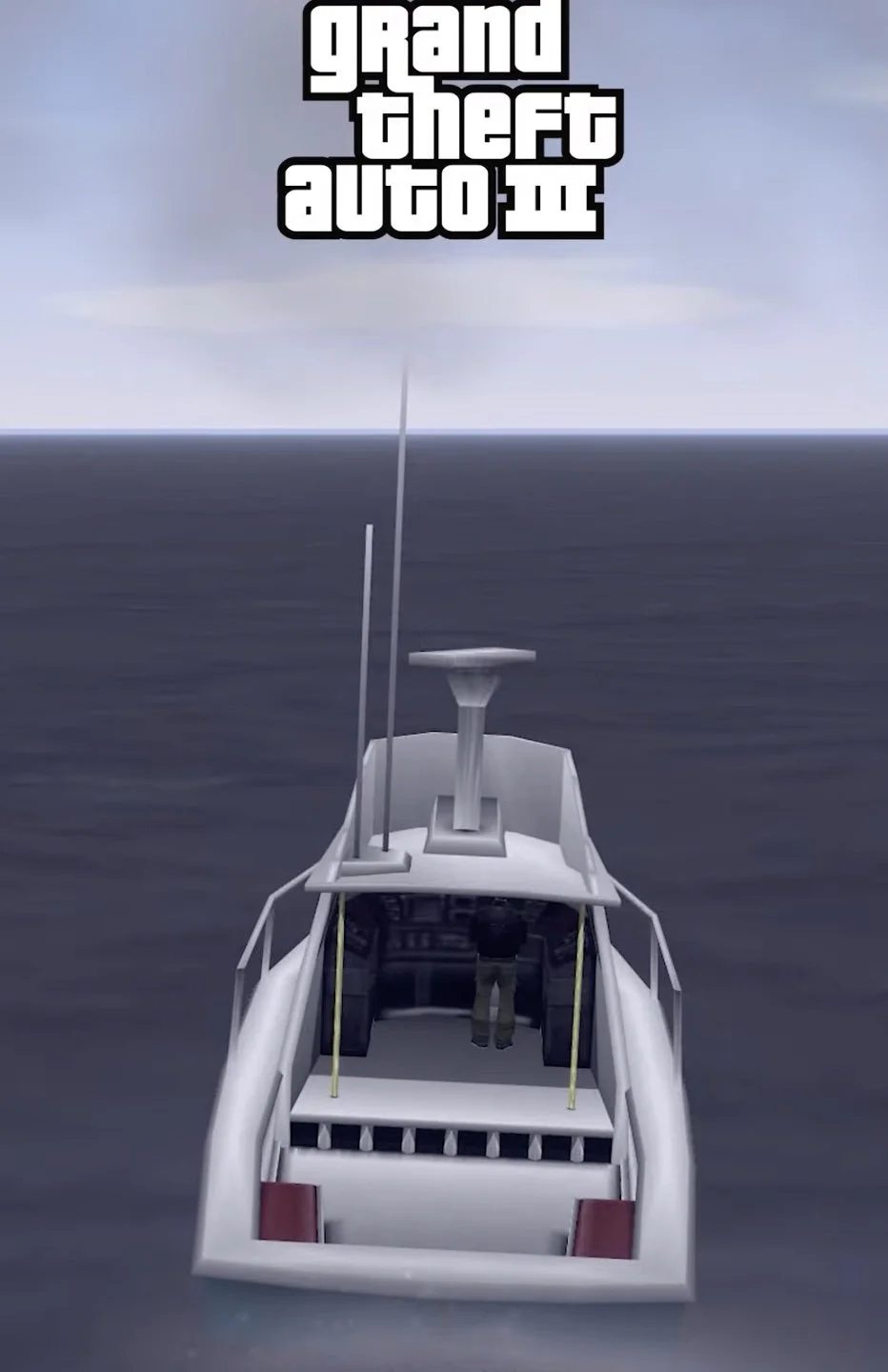
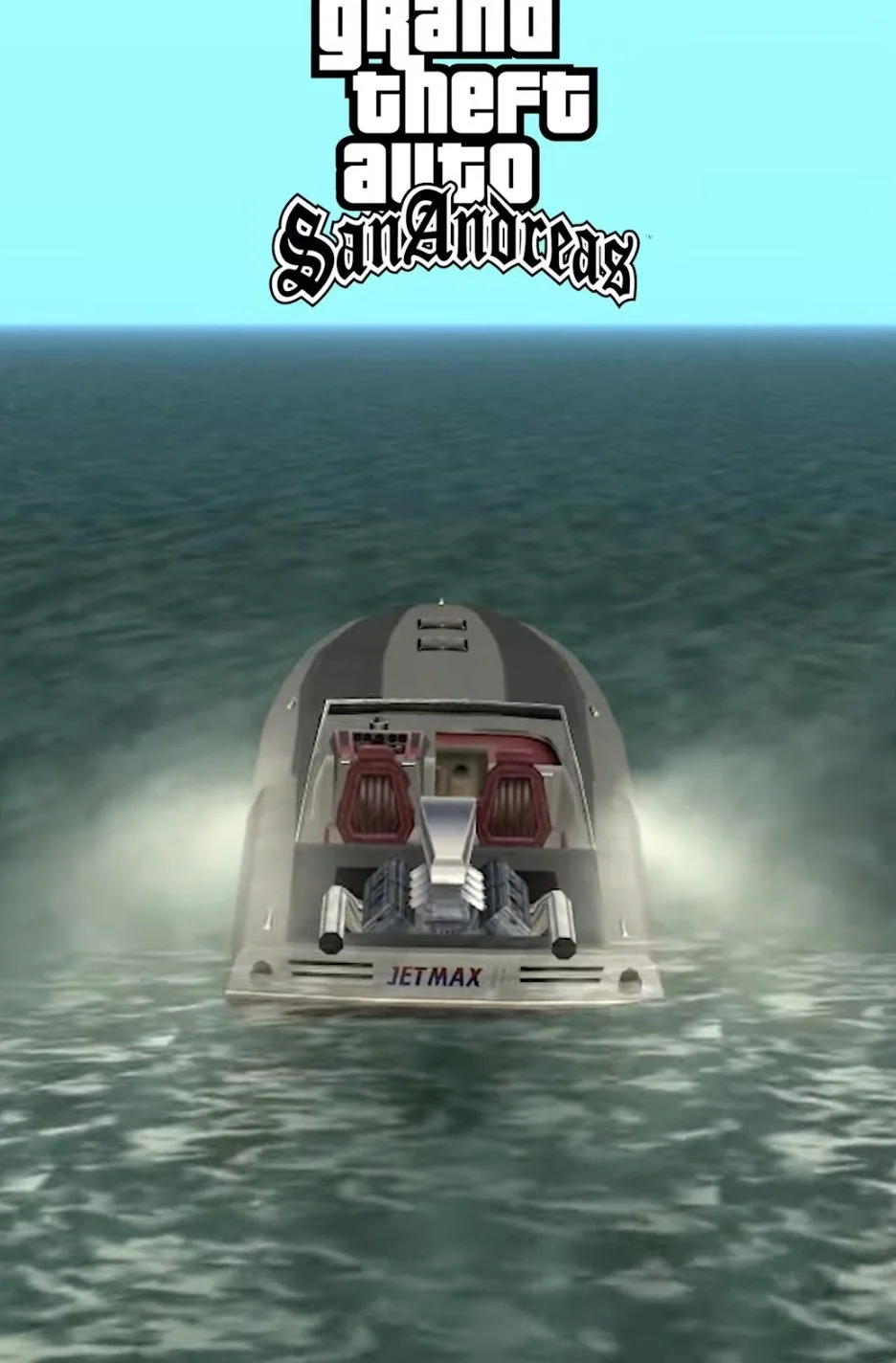
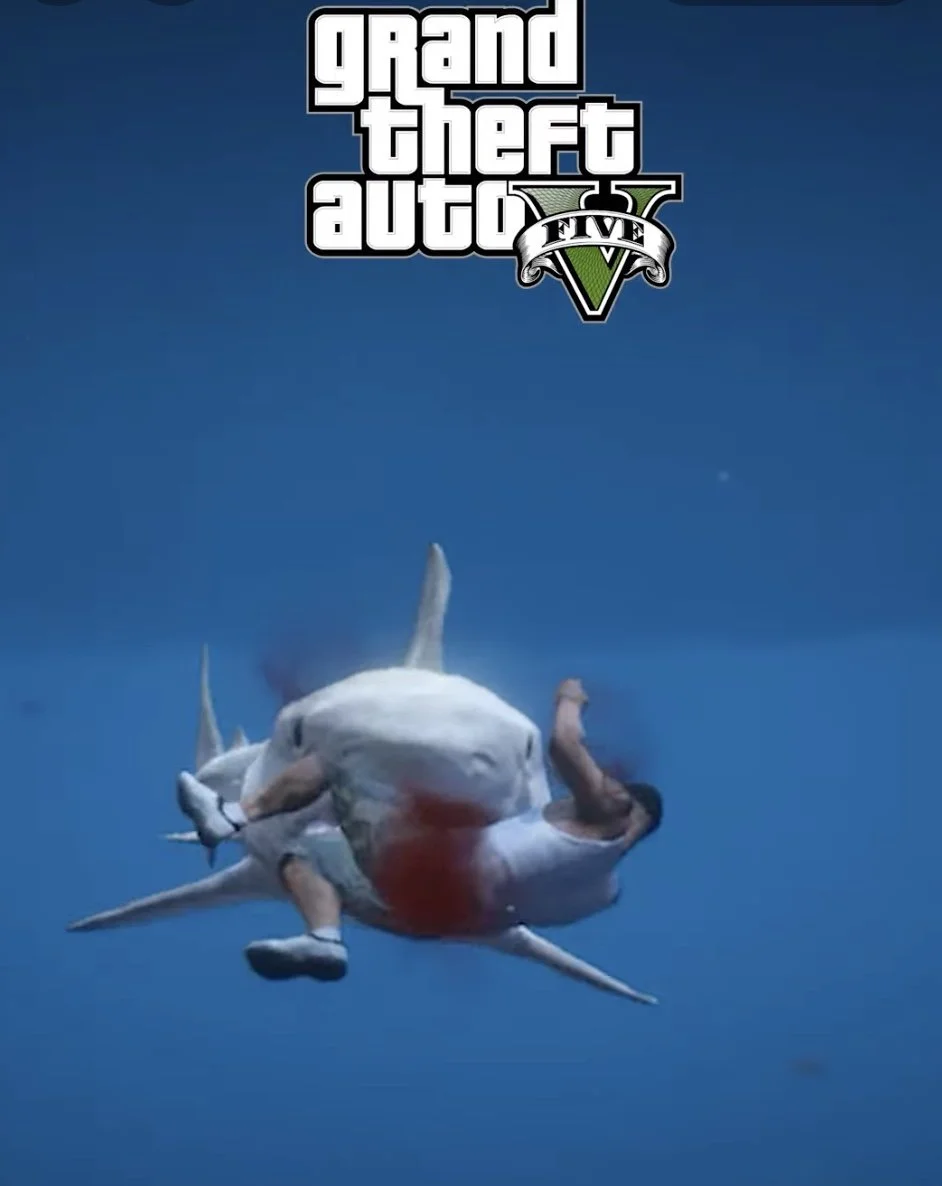
Lately I’ve been playing “A Short Hike” and “Subnautica,” two games that make me feel like my character’s capabilities are the only borders—like I could keep exploring forever if it weren’t for a lack of resources or knowledge.
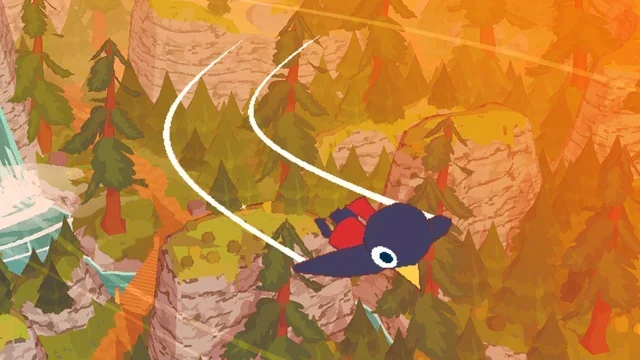
I could traverse the whole map in A Short Hike, a delightful little indie game, in just a few minutes, but I never felt constrained. Players control Claire, a bird limited by her flying ability. As Claire gains “feathers” and soars higher, you feel emboldened to revisit cliffs that she previously couldn’t scale.
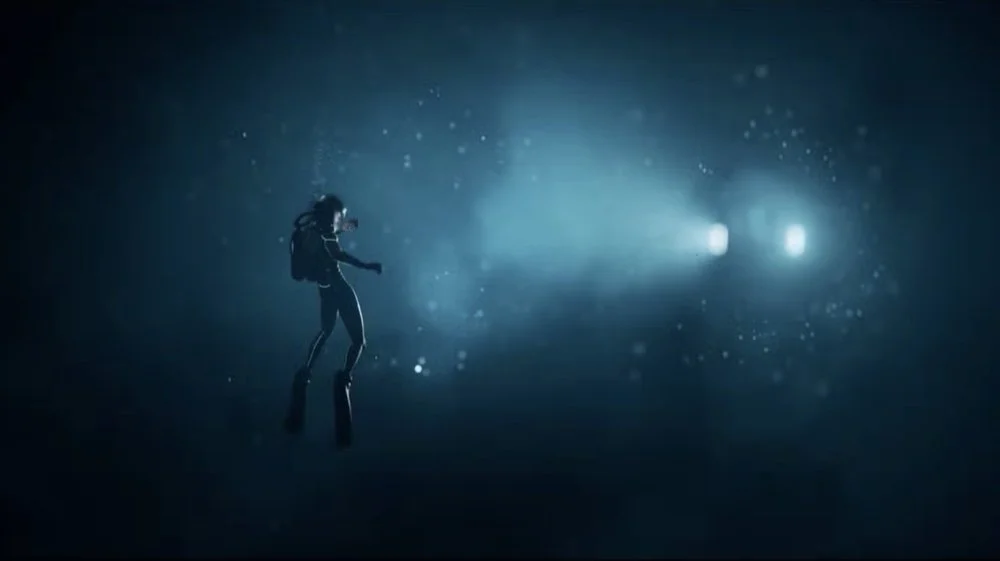
Subnautica is almost the polar opposite of A Short Hike in terms of tone atmosphere, but the horror/survival game does an equally great job of basing borders on your character’s abilities.
Though Subnautica let me swim endlessly from the get-go, I explored for nearly 30 hours before bumping into anything that resembled a “border” (a guaranteed death by a giant sea creature in GTA5 fashion). The ocean feels vast because of the game’s expert pacing, haunting soundtrack, and relentless pressure to craft survival items.
Games like Subnautica, A Short Hike, and the more recent Grand Theft Auto titles harness this truth, making us feel like we are facing off against the limits of our characters’ capabilities rather than artificial world barriers. In real life, there are no genuinely impassable borders—only interesting stories about why certain places feel out of reach.